
Acne is one of the most common skin conditions, affecting teenagers and adults alike. While many people expect breakouts to disappear after their teenage years, acne often continues well into adulthood or appears for the first time later in life.
Living with acne can affect far more than your skin. Persistent spots, painful cysts, and marks left behind after breakouts can influence confidence, social interactions, and even professional life. The good news is that effective treatment is available, and you no longer need to spend hours waiting for appointments to begin improving your skin.
Understanding why acne develops is the first step towards choosing the right treatment.
What causes acne?
Acne develops when hair follicles become blocked with excess oil, dead skin cells, and bacteria. Several factors usually work together, which is why there is rarely a single cause.
Your skin naturally produces an oily substance called sebum. Sebum helps keep the skin healthy and prevents it from becoming too dry. Problems begin when too much sebum combines with dead skin cells, creating a blockage inside the pore.
Once a pore is blocked, bacteria that naturally live on the skin can multiply. Your body’s immune system reacts to the bacteria, leading to redness, swelling, and the familiar appearance of pimples.
Different people produce different amounts of oil, which explains why some people rarely experience acne while others struggle with ongoing breakouts.
Hormones play a major role
Hormonal changes are among the biggest contributors to acne.
During puberty, hormone levels increase significantly, stimulating the oil glands to produce more sebum. This explains why acne is so common during the teenage years.
Hormonal fluctuations can also affect adults. Many women notice breakouts before their menstrual cycle, during pregnancy, or around menopause. Conditions such as polycystic ovary syndrome can also contribute to persistent acne because they influence hormone levels.
Hormonal acne often appears around the chin, jawline, and lower face, although it can develop anywhere on the body.
Does diet cause acne?
Diet is not the sole cause of acne, but growing evidence suggests that certain foods may contribute to breakouts in some people.
Foods with a high glycaemic index, including sugary snacks, white bread, and sweetened drinks, may increase inflammation and stimulate hormones linked to oil production.
Some studies have also found a possible connection between dairy products and acne in certain individuals. This does not mean everyone should stop consuming dairy, but it may be worth paying attention to how your skin responds.
Eating a balanced diet with plenty of vegetables, fruit, lean protein, and whole grains supports overall skin health, even if it does not completely prevent acne.
Stress and acne
Stress does not directly cause acne, but it can make existing breakouts worse.
When you are under pressure, your body releases hormones that can increase oil production and inflammation. Stress may also affect sleep, eating habits, and skincare routines, all of which can influence your skin.
Finding healthy ways to manage stress can form part of a broader acne treatment plan.
Can skincare products make acne worse?
Some skincare and cosmetic products can block pores, particularly if they are heavy or oil based.
Choosing products labelled as non comedogenic means they are less likely to clog pores. Gentle cleansing twice a day is usually enough for most people. Washing too often or using harsh scrubs can irritate the skin and make acne appear more inflamed.
Picking or squeezing spots can also increase inflammation and raise the risk of permanent scarring.
Different types of acne
Not every breakout looks the same. Understanding the type of acne you have helps determine the most suitable treatment.
Whiteheads are closed blocked pores that appear as small white bumps.
Blackheads are open blocked pores where the trapped material darkens after exposure to air.
Papules are small red bumps that become inflamed.
Pustules contain pus and often have a white or yellow centre.
Nodules develop deeper beneath the skin and are usually painful.
Cysts are larger inflamed lesions that carry the greatest risk of scarring and often require prescription treatment.
How is acne treated?
Acne treatment depends on the severity of your acne, how long you have had it, and whether previous treatments have worked.
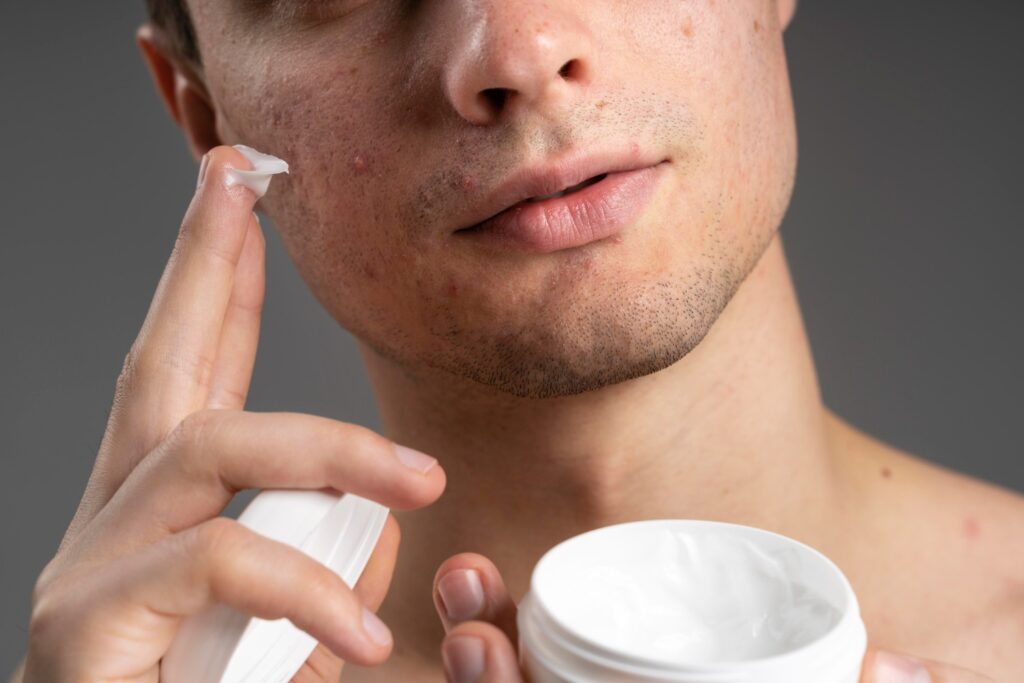
Mild acne often responds well to topical treatments that reduce bacteria, unclog pores, and control inflammation. Ingredients such as benzoyl peroxide and retinoids are commonly used for this purpose.
Moderate acne may require prescription creams or oral medication to reduce inflammation and control bacterial growth.
More severe acne, particularly painful cystic acne, often needs stronger prescription medication under medical supervision. Early treatment is important because ongoing inflammation increases the likelihood of permanent scarring.
Improvement rarely happens overnight. Most acne treatments take several weeks before noticeable changes appear, so consistency is essential.
Common mistakes that delay improvement
Many people become discouraged when they do not see immediate results. As a result, they frequently switch products or stop treatment too soon.
Using too many active ingredients at once can irritate the skin without improving acne more quickly.
Another common mistake is skipping moisturiser. Even oily skin needs hydration, particularly when using prescription acne treatments that may cause dryness.
Applying sunscreen every day is equally important, as some acne medications make the skin more sensitive to sunlight.
Following a treatment plan consistently gives your skin the best opportunity to improve.
When should you seek professional help?
If over the counter products have not improved your skin after several months, it may be time to seek medical advice.
You should also speak to a healthcare professional if your acne is painful, leaves scars, causes significant emotional distress, or continues returning despite your efforts.
Professional treatment can often prevent acne from becoming more severe and reduce the chance of lasting skin damage.
Treat acne online with Zapmed
Getting treatment for acne does not have to involve taking time away from work or sitting in a waiting room.
With Zapmed, you can begin your acne treatment journey from the comfort of your home. The online consultation allows you to discuss your symptoms, medical history, and skincare concerns with a qualified healthcare professional who will assess the most appropriate treatment for your individual needs.
If prescription treatment is suitable, your personalised treatment plan can be arranged through Zapmed, making access to expert care simpler and more convenient. Your progress can also be monitored, allowing adjustments if your skin changes over time or if another treatment becomes more suitable.
Acne is not something you simply have to live with. Effective medical treatment, combined with expert guidance, can help reduce breakouts, prevent future flare ups, and lower the risk of permanent scarring.
Whether you have recently started experiencing acne or have been struggling with it for years, seeking professional treatment is an important step towards healthier skin. With Zapmed’s online healthcare service, expert acne care is available wherever you are, helping you begin treatment with confidence and convenience.


